
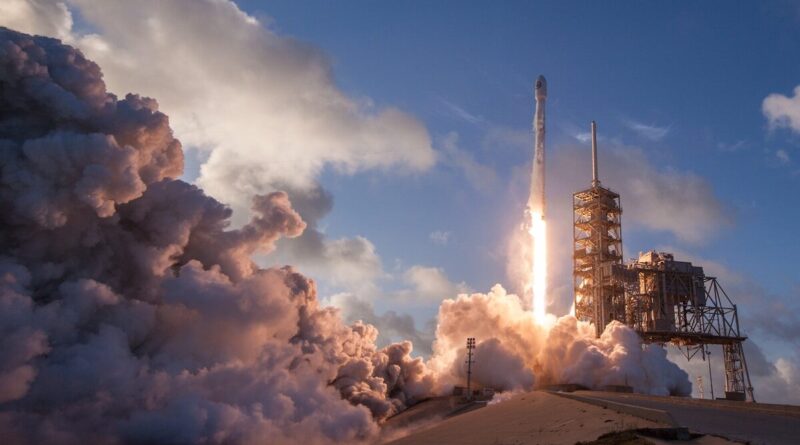
SpaceX Gets FAA Permission To Fly Its Starship Spacecraft Prototype
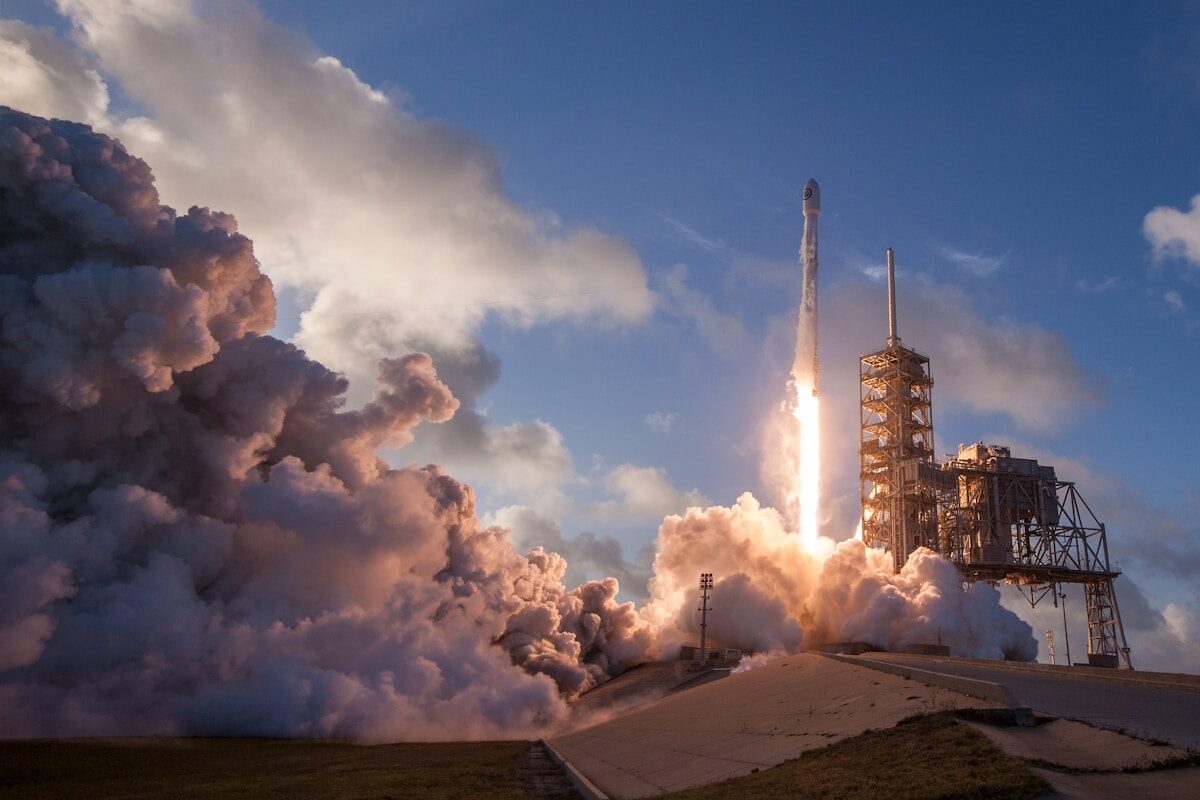
Right so the FAA has finally given SpaceX the go-ahead for suborbital test flights of its Starship prototype down in Boca Chica Texas. Bit of a milestone this one. Clears a fairly significant regulatory hurdle for Musks whole Mars colonisation thing.
The licence came through on 28 May 2020 authorising what the agency calls “reusable launch vehicle” missions. Basically means SpaceX can launch Starship prototypes that go up and come back down at the same site without needing fresh paperwork for every attempt. Which given how many of these things theyve blown up is probably convenient.
What This Actually Means In Practice
SpaceX has been building Starship prototypes iteratively at their South Texas facility. Multiple versions have been constructed, pressure tested, and in several rather spectacular instances exploded during testing. The current version SN4 passed both pressure tests and static fire tests of its single Raptor engine.
Initial flight plan calls for a short hop to roughly 150 metres altitude. Similar to what the earlier Starhopper prototype achieved back in August 2019. If that works subsequent prototypes with more Raptor engines will attempt higher altitude flights. Baby steps but theyre steps.
The Bigger Picture Here
Starship is central to basically everything SpaceX wants to do long term. Fully reusable vehicle designed to carry crew and cargo to Earth orbit, the Moon, eventually Mars. NASA has expressed interest in using it for lunar landing missions as part of Artemis.
These prototype flights are suborbital affairs – up and down no orbital insertion. But theyre crucial for validating landing systems, aerodynamic surfaces, and propulsion that will eventually need to function at orbital velocities. Cant skip steps when the stakes are this high.
The FAA licence doesnt limit flight numbers or cap altitude beyond requiring suborbital trajectories. Main requirement is flights take off from and land at Boca Chica.
Whats Next Then
SpaceX typically moves quickly once regulatory barriers clear. A temporary flight restriction was filed for airspace above Boca Chica suggesting they might attempt initial tests soon. Window exists provided hardware cooperates.
Development remains iterative. When prototypes fail SpaceX collects data and applies lessons to the next version. Pace of construction at Starbase is genuinely remarkable – multiple vehicles in various stages of assembly at any given time. Whether Starship ultimately delivers on Mars ambitions is years from verification. But securing regulatory hurdles like FAA approval for prototype flights is meaningful progress.
