
Everyone Is Fighting for Your Screen This Holiday Season. Here’s the Strategic Breakdown.
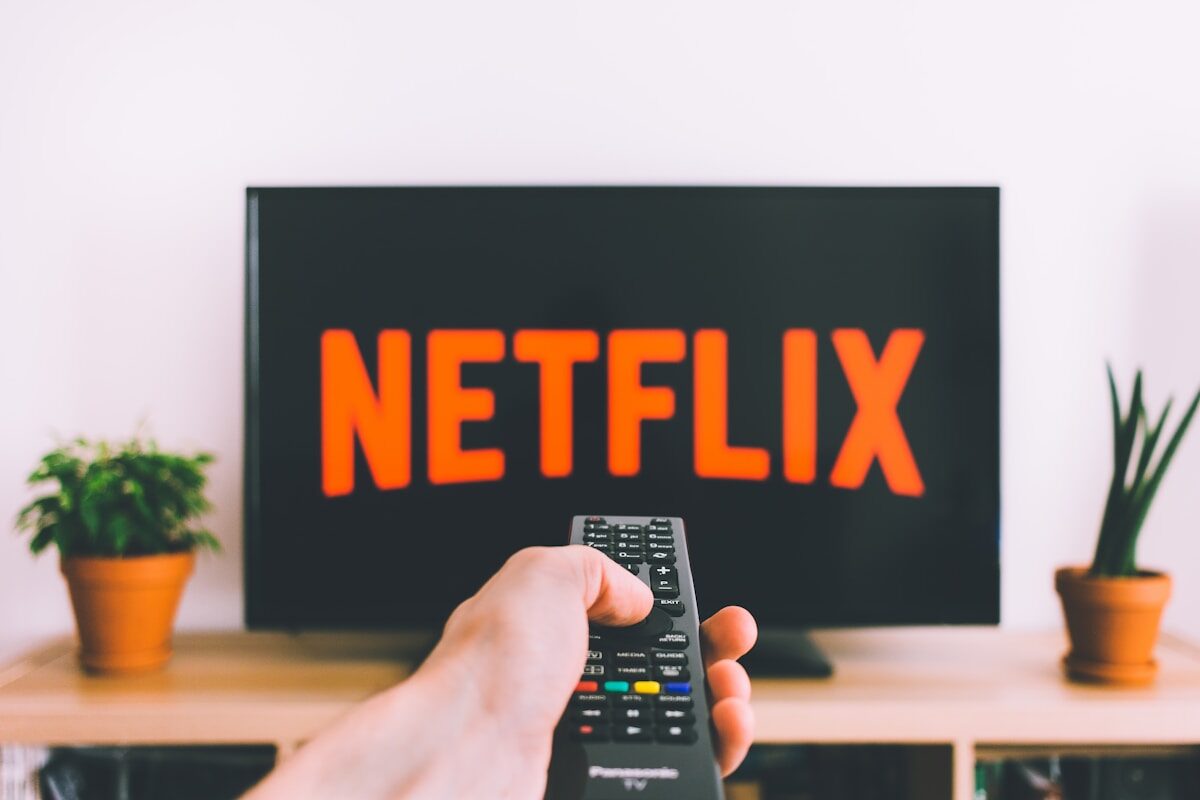
Photo by Glenn Carstens-Peters on Unsplash
The streaming industry’s strategy for the 2025 holiday season can be summarized in one word: saturation. Every major platform has deployed their biggest content weapons simultaneously, creating an unprecedented concentration of premium releases between Thanksgiving and New Year’s Day. This is not accidental—it represents a coordinated industry bet that the holiday viewing window is worth cannibalizing the rest of the content calendar.
Netflix anchors the season with Stranger Things Season 5, released in three volumes across Thanksgiving (November 26), Christmas (December 25), and New Year’s Eve (December 31). The staggered approach ensures continuous engagement throughout the holiday period, maintaining subscriber interest across six weeks rather than a single weekend binge.
Disney+ counters with a two-front offensive. Percy Jackson Season 2 premieres December 10, adapting The Sea of Monsters with weekly episode releases. Two days later, Taylor Swift’s Eras Tour docuseries and Final Show concert film arrive. According to The Walt Disney Company’s announcement, this represents unprecedented access to the $2 billion-grossing tour that defined 2023-2024.
The theatrical market is dominated by Wicked: For Good, which opened Thanksgiving weekend to $147 million domestically. Universal’s decision to split the musical into two films pays dividends here—Part One drove theatrical traffic throughout late 2024, and Part Two captures the holiday 2025 audience. The strategy creates a year-long Wicked conversation that sustains interest in ways a single release could not.
Amazon Prime Video has positioned itself as the sports alternative, securing NFL broadcast rights and streaming Thursday Night Football throughout the holiday season. The calculation is straightforward: while entertainment content attracts certain demographics, live sports brings a different audience entirely. Families divided between the Stranger Things finale and New Year’s bowl games represent Prime’s opportunity.
What emerges from this analysis is a matured industry understanding of segmentation. Five years ago, streamers competed head-to-head, releasing content at similar times and hoping to win share-of-voice. The 2025 holiday strategy suggests a more sophisticated approach: each platform targets specific audience segments with tailored content, minimizing direct competition while maximizing total market capture.
Netflix owns the nostalgia-driven prestige television demographic with Stranger Things. Disney+ captures family viewing with Percy Jackson and music fandom with Taylor Swift. Universal’s theatrical strategy targets the experience-seeking audience willing to leave home. Amazon takes the sports viewer. The holiday season thus becomes less a war and more a coordinated extraction of consumer attention across complementary segments.
The business implications extend beyond December. Holiday subscriber acquisitions have disproportionate lifetime value—viewers who subscribe for specific content often remain through inertia. The cost of this approach, however, is significant: content budgets concentrate into the Q4 window, leaving other quarters comparatively sparse. Industry analysts project 2026 will see increased experimentation with release timing as platforms attempt to spread audience attention more evenly.
For consumers, the immediate effect is obvious: too much good content, too little time. The streaming abundance that once felt liberating now creates its own form of anxiety. What to watch becomes a nightly negotiation. The paradox of choice has never been more acute than during the 2025 holiday season.