
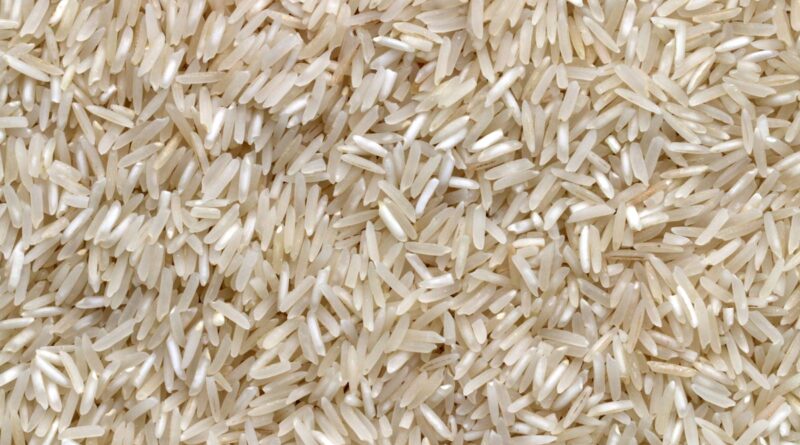
White Rice Spikes Blood Sugar Levels and Has Almost the Same Effect as Eating Pure Table Sugar, According to Harvard Medical School
Look, I’m going to need you to sit down for this one because it’s going to change how you think about your dinner.
Harvard Medical School has been pretty clear on this point, and I quote: “A serving of white rice has almost the same effect as eating pure table sugar — a quick, high spike in blood sugar.”
I’ll give you a moment.
Here’s the thing – when we talk about glycemic index, we’re measuring how quickly a food raises your blood glucose compared to pure glucose. White rice? It’s in the high glycemic index category. We’re talking 70 or higher. That’s the same neighborhood as white bread, rice cakes, and yes, actual sugar.

Harvard’s glycemic index guide explains that this rapid spike in blood sugar triggers a corresponding spike in insulin. Your pancreas is essentially going into overdrive every time you eat that side of white rice with your stir fry.
Now, I can already hear some of you saying “but Dr. Sharma, half the world eats rice as a staple food!” And you’re not wrong. But here’s where it gets interesting – research published in the British Medical Journal found that regular white rice consumption is associated with increased Type 2 diabetes risk, particularly in Asian populations where it’s consumed in larger quantities.
The difference between white and brown rice isn’t that one is rice and one isn’t – they’re literally the same species, Oryza sativa. The difference is that white rice has had the bran (the outer layer) and the germ (the reproductive part) removed through processing. Those parts? They contain the fiber, the protein, the vitamins, the calcium, the phosphorus. You know, all the stuff that actually slows down digestion and prevents that blood sugar spike.
Elizabeth Ryan, a researcher at Colorado State University, puts it simply: when you’re offered the choice between white rice or brown rice, “if there’s an opportunity to substitute it with brown rice, you are improving your whole-grain intake.”
Brown rice has a lower glycemic index. The fiber acts as a brake on that sugar rush. Your pancreas doesn’t have to work as hard. Your body thanks you.
Now, does this mean you can never eat white rice again? No. I’m not about to tell half the planet to overhaul their entire culinary tradition. But Harvard suggests enjoying it in moderation, preferably combined with vegetables and whole grains that can help buffer that glycemic response.
And maybe – just maybe – consider that switch to brown rice a few times a week. Your blood sugar will thank you.
Stay hydrated. Have you had water today?