Iran Death Toll Hits 116 as Regime Cuts Internet, Threatens US and Israel
The protests in Iran have crossed the two-week mark. The death toll has crossed 116. And now the regime has done what authoritarian regimes do when they cant control the narrative: they shut down the internet entirely.
On Thursday, January 8th, Iran cut off internet access and international phone calls across the country. When you cant see what’s happening, it’s easier to pretend nothing is happening. Thats the logic, anyway.
The Information Blackout
Right now, only state-owned media and Al Jazeera are able to report from inside Iran. Qatars Al Jazeera remains the only major foreign outlet with boots on the ground. Everyone else is working from the outside, piecing together what we can from sporadic videos that get smuggled out, from exile communities, from satellite imagery.
According to the US-based Human Rights Activists News Agency, at least 2,600 people have been detained. Thats on top of the 116 dead. These numbers are almost certainly undercounts. When the regime controls information flow, the regime controls the narrative.
Supreme Leader Khamenei addressed the nation on Friday: security forces would crack down on protesters. He wasnt subtle about it. “Rioters must be put in their place.” The language of rulers who see their own people as enemies.
The Geopolitical Tinderbox
Heres where it gets really dangerous.
Irans parliament speaker warned that US military assets and Israel would be “legitimate targets” if America strikes. Trump responded on Friday with his trademark subtlety: “locked and loaded.”
Were watching two nuclear powers play chicken while 116 people are already dead in the streets. This is what we’ve seen before in the region – the same pattern of economic pressure leading to popular unrest, leading to regime crackdown, leading to international escalation.
How We Got Here
The protests started December 29th over economic collapse. The Iranian rial has cratered – one dollar now equals 1.4 million rials. It started with shopkeepers. Spread to students. Then went nationwide.
NPR has been tracking the escalation since the beginning. First the bazaars. Then the students. Now the whole country – as the US State Department put it.
We covered the uprising when it entered its second week. The death toll then was 10. Now its 116. The trajectory tells you everything.
The Ghost of 1979
Exiled Crown Prince Reza Pahlavi called for protests Thursday through Saturday. He asked demonstrators to carry the old lion-and-sun flag from the shah era. In some protests, people are shouting support for the shah.
Is this genuine support for Pahlavi himself? Or just a desire to return to the pre-1979 era? Hard to say from outside. Pahlavi’s support for Israel has drawn criticism, especially after the recent 12-day war. But when your current regime is shooting you in the streets, the past can look pretty good.
The funerals of those killed are becoming flashpoints. In Iran, funerals have a way of becoming protests, which become crackdowns, which create more funerals. Its a cycle as old as resistance itself.
What We Cant See
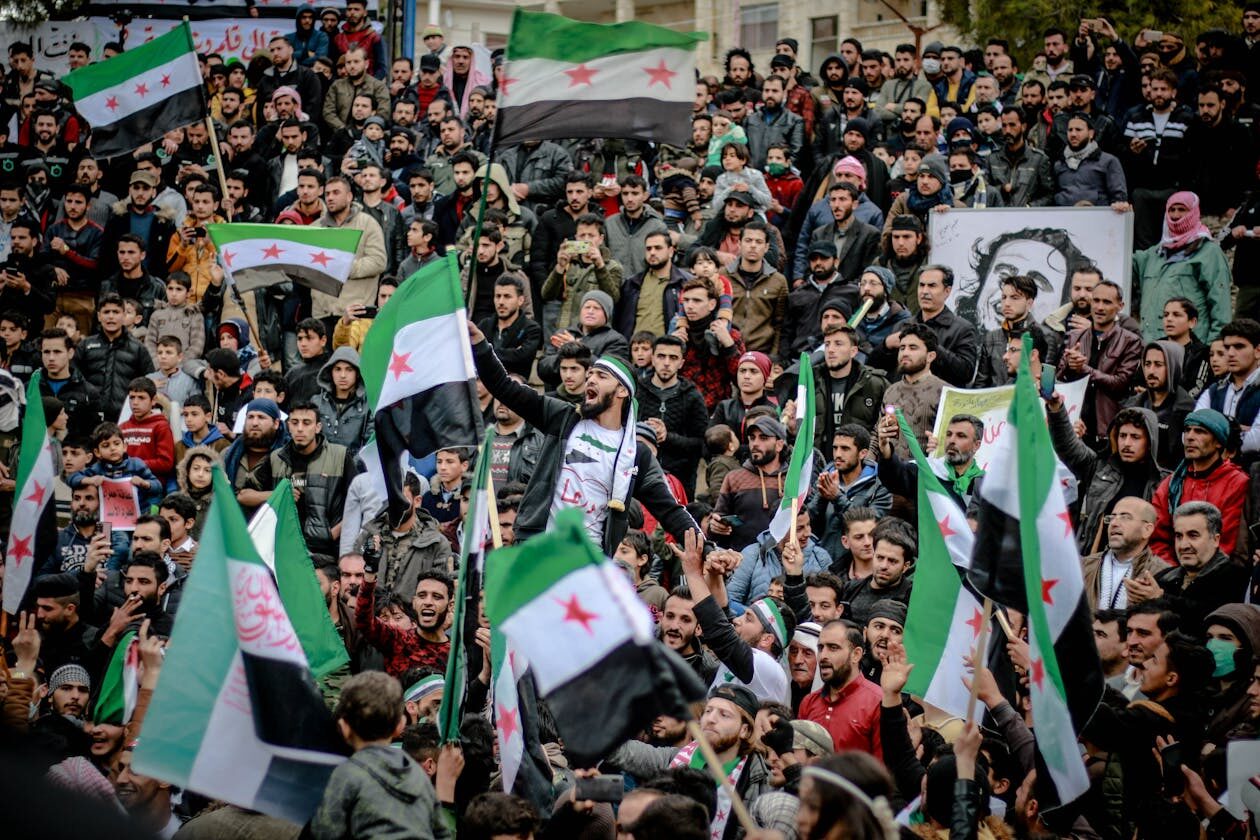
Protesters flooded the streets of Tehran and Irans second-largest city into Sunday. Pahlavi urged them to “claim public spaces as your own.” But with the internet down, gauging the scale of demonstrations from abroad has become nearly impossible.
Im not gonna predict where this ends. Ive seen too many Iranian uprisings crushed by the Revolutionary Guards boots. The 2009 Green Movement. The 2019 protests. The 2022 Mahsa Amini demonstrations. Each time the world watched. Each time the regime survived.
But Ive also seen regimes that looked invincible collapse overnight. The Shah himself. Ceaușescu. And just last week, Maduro.
Khamenei is 86 years old. The regime has no clear succession plan. And the people – at least some of them – have stopped being afraid.
Thats the most dangerous moment for any dictatorship. When the fear breaks.
Ray Caldwell has covered Middle East conflicts for over two decades.