
How Demand Chains Could Increase Profits While Fighting Climate Change
Weve been thinking about this backwards for decades and its kind of wild that we’re only now starting to correct course. Everyone talks about supply chains – how to make production more efficient, how to reduce costs on the manufacturing side, how to squeeze every penny out of getting stuff made. But what if the real opportunity is on the demand side? What if demand chains could be the key to both better profits AND reduced emissions? Its not either/or like the old thinking suggested.
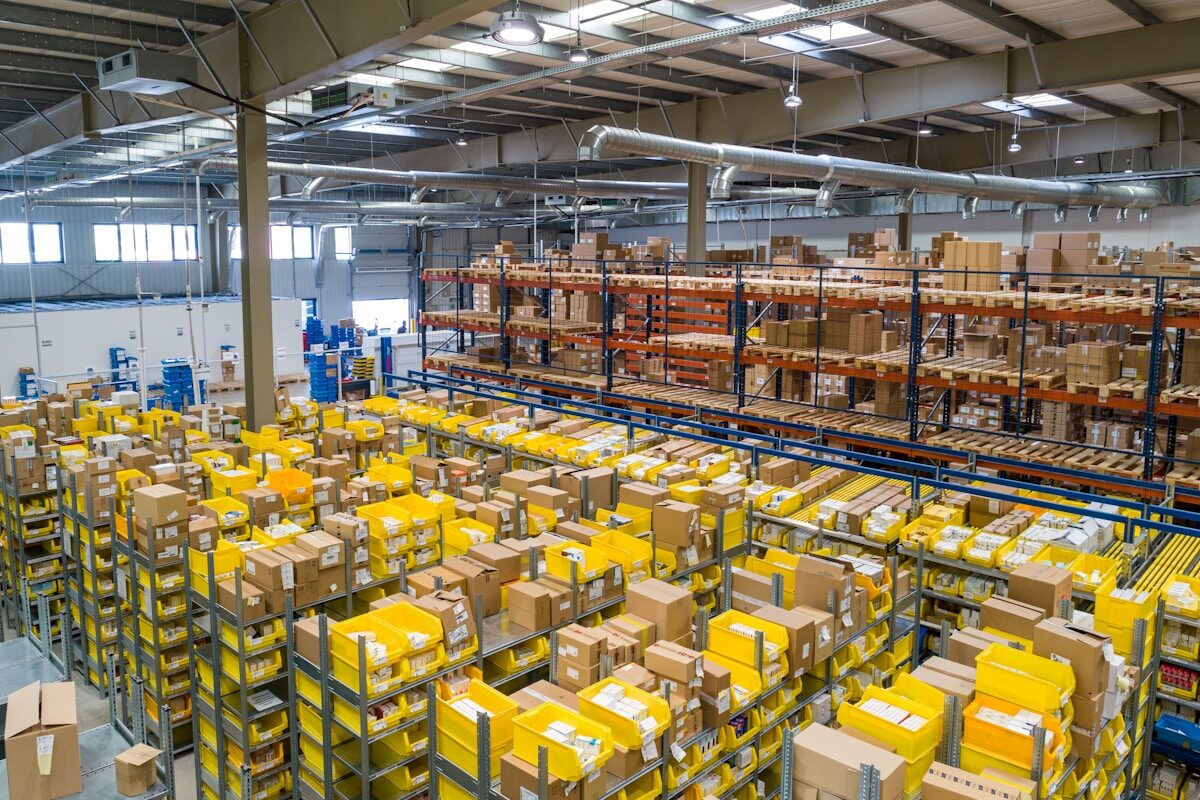
The concept is pretty simple once you hear it even though implementing it is hard. Instead of producing goods and hoping demand materializes – making a bunch of stuff and then trying to sell it – you start with actual customer demand and work backwards. Produce what people actually want when they actually want it. Less waste, less overproduction, less stuff sitting in warehouses gathering dust or eventually getting thrown away because nobody bought it. The traditional model generates enormous waste and we just accept it as normal.
Why This Actually Matters For Climate Change
A massive amount of emissions comes from producing things nobody ends up buying. Fashion is the obvious example that everyone points to – something like 30% of clothing produced never gets sold to an actual consumer. Think about that for a second. Almost a third of all clothes made. They get manufactured using resources and energy, shipped around the world on cargo ships and trucks, warehoused in climate-controlled facilities, and eventually destroyed or landfilled because nobody wanted them. All those emissions for literally nothing. Zero value created for anyone.
Demand chain thinking flips the whole model. Better prediction means producing closer to actual need – if you know with high confidence that youll sell 10,000 units, you make 10,000 units instead of 15,000 just in case. Localized production means shorter shipping distances which means less fuel burned moving stuff around the globe. Made-to-order models eliminate warehouse inventory entirely in some cases – the product doesnt exist until someone wants it.
The technology to do this at scale is getting better fast which is why this matters now when it didnt before. Machine learning can predict demand more accurately than humans ever could by finding patterns in data we cant see. 3D printing enables local manufacturing of things that used to require factories overseas. Digital platforms connect customers directly to producers without intermediaries adding delays and uncertainty. None of these are new individually but theyre finally reaching the scale where they can transform how whole industries operate.
Heres The Profit Angle That Should Get Executives Excited
The climate benefits are compelling but lets be honest – businesses dont change behavior for environmental reasons alone. They need profit motives. And heres whats exciting from a shareholder perspective – this isnt charity. Companies that nail demand chain management will outperform competitors on the metrics that actually matter to boards and investors.
Less capital tied up in inventory means better returns on assets. Fewer markdowns on unsold goods means higher margins. Better customer satisfaction from faster fulfillment means more repeat business and lower acquisition costs. Reduced warehousing needs means lower overhead. The math works even before you count any climate benefits. The climate stuff is almost a side effect of just running a smarter more efficient business.
Which is exactly how sustainability should work honestly – aligned with profit motives rather than fighting against them. When doing the right thing for the planet also puts more money in shareholders pockets, you get actual adoption instead of just PR campaigns. Demand chains might be one of those rare wins where everyone benefits. Time will tell if companies are smart enough to make the shift.