
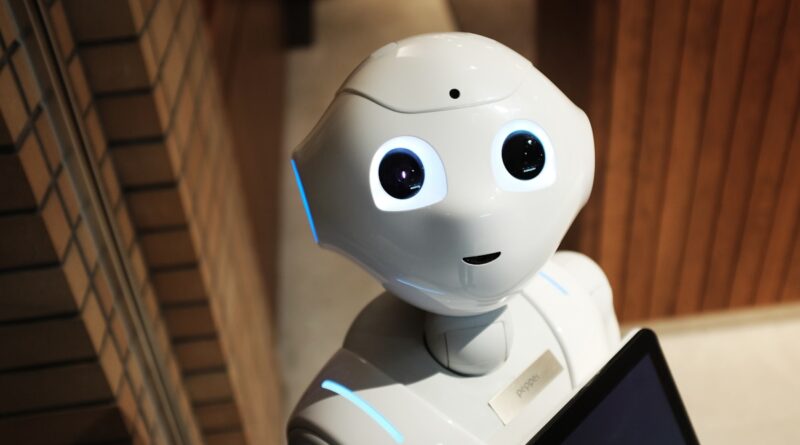
Hitting the Books: The Case Against Tomorrow’s Robots Looking Like People
Right then. I’ve been thinking about this one for a while now, and the more I read about humanoid robots, the more I’m convinced we’re sleepwalking into something quite problematic.
There’s this thing called the “uncanny valley” that researchers have been banging on about for decades. Basically, the closer a robot gets to looking human without quite nailing it, the more unsettling we find them. And honestly? That’s probably our brains trying to tell us something.
Research from WPI’s Robot Ethics raises some genuinely troubling questions about what happens when machines start looking like us. The issue isn’t just that its creepy – though it absolutely is – its that human appearance triggers our natural tendency to anthropomorphise things. We start attributing human qualities to machines that fundamentally don’t possess them.

And here’s where it gets properly concerning. A study from the University of Helsinki found that people actually judge humanoid robots’ moral decisions more harshly than decisions made by traditional robot-looking robots. Same decision, different appearance, completely different reaction from humans. The researchers link this to the uncanny valley effect – we don’t quite know how to categorise these things. Is it an animal? A tool? A person?
The implications are genuinely worrying. We’re already seeing children form emotional attachments to robotic companions. What happens when those robots look like people? When kids can’t distinguish between human relationships and relationships with machines that simply mimic human responses without actually understanding anything?
Some roboticists argue we need human-like robots for things like elderly care. The logic being that old people will respond better to something that looks like a person. But ethicists at Frontiers in Robotics point out that this creates a fundamental deception – we’re essentially tricking vulnerable people into emotional relationships with entities incapable of reciprocating.
I dunno. Maybe I’m being paranoid. My kids would probably say I’m being paranoid – they think anything involving technology is automatically brilliant. But there’s something deeply troubling about designing machines specifically to exploit our hardwired responses to human faces and bodies. The question isn’t whether we CAN make robots that look like people. Its whether we should.
And increasingly, I’m convinced the answer is no.
More on humanoid robot ethics here if you want to lose sleep tonight.
