
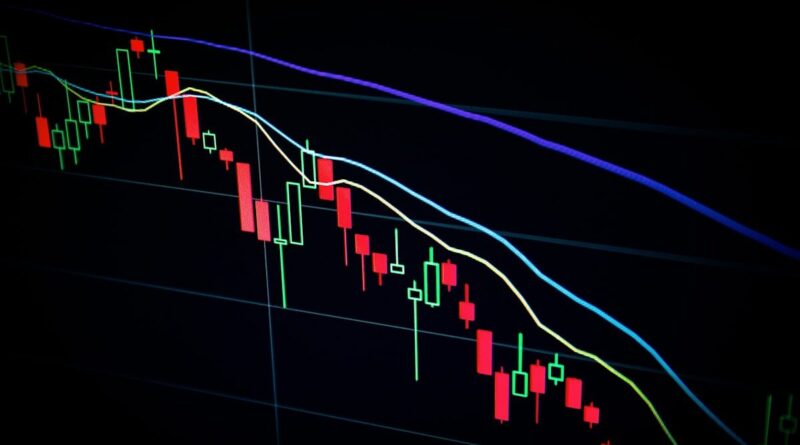
Hedge Fund Titan Warns UK Pension Crisis Is Just the Start
If you havent been following the UK pension crisis let me catch you up real quick because its kind of terrifying once you understand whats happening – its bad. Like Bank of England had to intervene to prevent a complete financial meltdown bad. Like “we might have accidentally broken the retirement system” bad. And now hedge fund manager Paul Marshall is warning that what weve seen might just be the opening act of a much longer and more painful show.

Heres the deal and try to stay with me because this gets technical but its important. Years of low interest rates pushed pension funds into increasingly complex financial instruments called liability-driven investments or LDIs. These things were supposed to be safe – thats literally why pension funds used them. Conservative investments for conservative institutions managing peoples retirement security. They were not safe as it turns out. When UK interest rates spiked after that disaster of a mini-budget from Liz Truss, the whole house of cards started collapsing in ways that genuinely scared people who understand finance.
Marshall, who runs Marshall Wace which is one of Europes biggest hedge funds so he knows what hes talking about, is basically saying the LDI blowup exposed deeper problems in the global financial system. Years of easy money created all kinds of hidden leverage and risk that nobody was properly accounting for. Everyone was reaching for yield, taking on more risk to generate returns in a low-rate environment, and now the bill is coming due. The retirement system has structural issues that go way beyond just one country or one crisis.
What Actually Happened in Simple Terms
The short version for people who dont spend their lives thinking about financial plumbing – pension funds borrowed money to boost returns in a low-interest-rate environment. They used derivatives to hedge their exposure, which is supposed to reduce risk but actually just moves it around and sometimes concentrates it in unexpected places. When rates suddenly jumped, they faced margin calls they couldnt meet without selling assets. Selling assets pushed prices down. Prices going down triggered more margin calls. Classic doom loop stuff.
The Bank of England had to step in and start buying bonds to stop the bleeding. A central bank intervening to save pension funds from themselves. This isnt supposed to happen. These are supposed to be the boring reliable things that make sure grandma gets her monthly check on time every month until she dies. Instead they were playing games with leverage that would make some hedge funds nervous.
Why This Matters Way Beyond the UK
Because similar dynamics exist everywhere and thats the scary part. Low rates for a decade pushed everyone further out on the risk curve globally. Pension funds in the US, insurance companies in Japan, sovereign wealth funds everywhere – they all faced the same problem of needing returns in a world where safe assets paid nothing. Now rates are rising globally as central banks fight inflation. Marshall is warning that there are probably other LDI-style time bombs ticking away in financial systems around the world just waiting for the right trigger.
The US retirement system has its own problems that are different but potentially just as serious – underfunded public pensions, reliance on 401ks that shift all risk to individuals who dont know how to manage it, the whole mess. Different problems but same fundamental issue: weve built retirement security on foundations that might not be as solid as we thought they were.
The people who are supposed to understand this stuff are genuinely worried. When hedge fund managers start warning about systemic risk, its worth paying attention even if you dont fully understand the mechanics. They make their money by understanding where the bodies are buried. Sleep well tonight knowing your pension might be exposed to risks nobody fully mapped.