Groceries Are Still Ridiculous and I Have Feelings About It
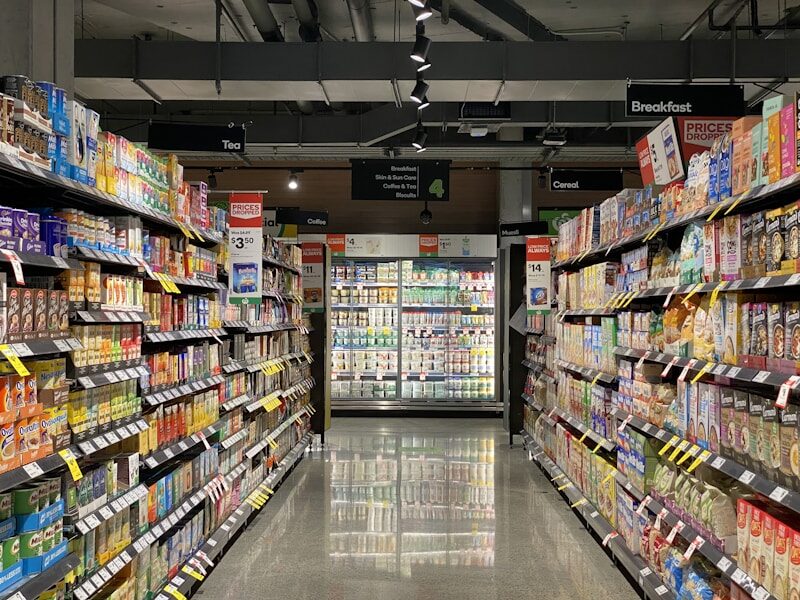
The place where dreams (and budgets) go to die. Photo: Unsplash
I went to the grocery store last week to buy eggs, bread, and some vegetables. Just the basics. The total was $47. For eggs, bread, and vegetables. I stood at the self-checkout genuinely wondering if I’d accidentally scanned something twice.
I hadn’t.
Eggs alone — a dozen eggs — cost me $6.79. I remember when eggs were like $2. That wasn’t even that long ago. What is happening?
According to NPR, food prices are up almost 30% since the pandemic started. And while the rate of increase has slowed down (yay?), prices aren’t actually going back down. They’re just… staying at these ridiculous levels. Forever, apparently.
A recent survey by The Associated Press found that over half of Americans say grocery costs are a significant source of stress. More than rent. More than healthcare. More than student debt. Groceries.
The Numbers Are Genuinely Wild
Let me break down what’s happening because the specifics are infuriating:
Beef and veal prices are up almost 15% from last year alone. Coffee is up 19%. Eggs are still through the roof thanks to ongoing bird flu outbreaks. The USDA predicts egg prices will increase another 27% for all of 2025.
Beef and veal prices
USDA predicts
The average American is now spending around $235 a week on groceries according to recent surveys. That’s over $900 a month. Per person. If you’re a family of four that’s potentially $3,600 a month just on food.
The Hard Truth:
Maya’s Take:
How People Are Coping
Everyone I know has changed how they shop. My friend Sarah clips coupons now — actual paper coupons, like it’s 1997. My neighbor drives to three different stores to get the best deals on different items. I’ve started meal planning obsessively, which I guess is good for other reasons but the main motivation is definitely financial.
CBS News reports that almost half of Americans say it’s harder to afford groceries today than it was a year ago. Only 19% say it’s easier. That math is not mathing.
The retired nurse interviewed by NPR said something that stuck with me: “We’re not going hungry. We just have anxiety over this.” That’s exactly it. Most of us can still buy food. But the stress of watching every dollar, of constantly doing mental calculations, of feeling like you’re falling behind even though you’re doing everything “right” — that takes a toll.
Who’s Really Struggling
While I’m complaining about $47 grocery trips, there are people in much worse situations. Food bank usage is up. More families are qualifying for SNAP benefits. The squeeze is real for people at every income level, but it’s absolutely devastating for people who were already barely getting by.
And here’s what really gets me: corporate profits at the big grocery chains are fine. Kroger’s doing great. Walmart’s doing great. The companies in between you and your food are making money. It’s just you, the person trying to buy that food, who’s getting squeezed.
“Grocery prices have become a hot-button political flash point over the past couple of years. We all have to eat. And food is very personal.”
That’s from a food economist at Michigan State, and he’s right. We’re reminded of these prices every single week when we shop. It’s not like a rent increase that happens once a year — it’s constant, weekly contact with how much everything costs now.
What I’ve Actually Changed
I’m not going to pretend I have great advice here because honestly I’m figuring this out too. But here’s what’s sort of working for me:
I meal plan now. Like actually writing out what I’m going to eat for the week and only buying those ingredients. It’s reduced my food waste significantly which means I’m spending less overall even if individual items cost more.
I’ve switched to store brands for almost everything. The HEB brand stuff is genuinely fine. I was paying extra for labels I didn’t need.
I eat less meat. Not for ethical reasons (though that’s a bonus I guess) but because beef at $15/lb is just not in the budget anymore. Beans and lentils are cheap and they’re fine.
I’ve started actually looking at unit prices instead of just grabbing whatever. Sometimes the bigger package isn’t actually cheaper per ounce. The math is annoying but it adds up.
Maya’s Take:
Is It Going to Get Better?
The honest answer is: probably not anytime soon. Economists don’t expect prices to actually drop — they just expect them to stop rising as fast. Which means we’re stuck at this new normal.
The USDA Food Price Outlook predicts food prices will rise another 3% this year. Not dramatic, but not going down either. And certain categories — eggs, beef, sugar — are expected to increase even more than that.
I don’t have a neat conclusion here. Groceries are expensive. They’re going to stay expensive. We’re all just coping as best we can while feeling slightly insane every time we go shopping.
Biscuit, for the record, has not noticed any difference in his food quality because I refuse to compromise on cat food. He remains blissfully unaware of the economic anxiety happening around him, which is honestly aspirational.