

Blockchain Explained Whats A Block Whats A Chain And The Tech Behind Crypto
 cryptocurrency” />
Everyones banging on about blockchain and crypto and NFTs but ask people what blockchain actually IS and you get blank stares. Or vague hand-waving about “decentralised ledgers” which tells you precisely nothing. Let me have a go at explaining this properly.
So Whats A Block Then
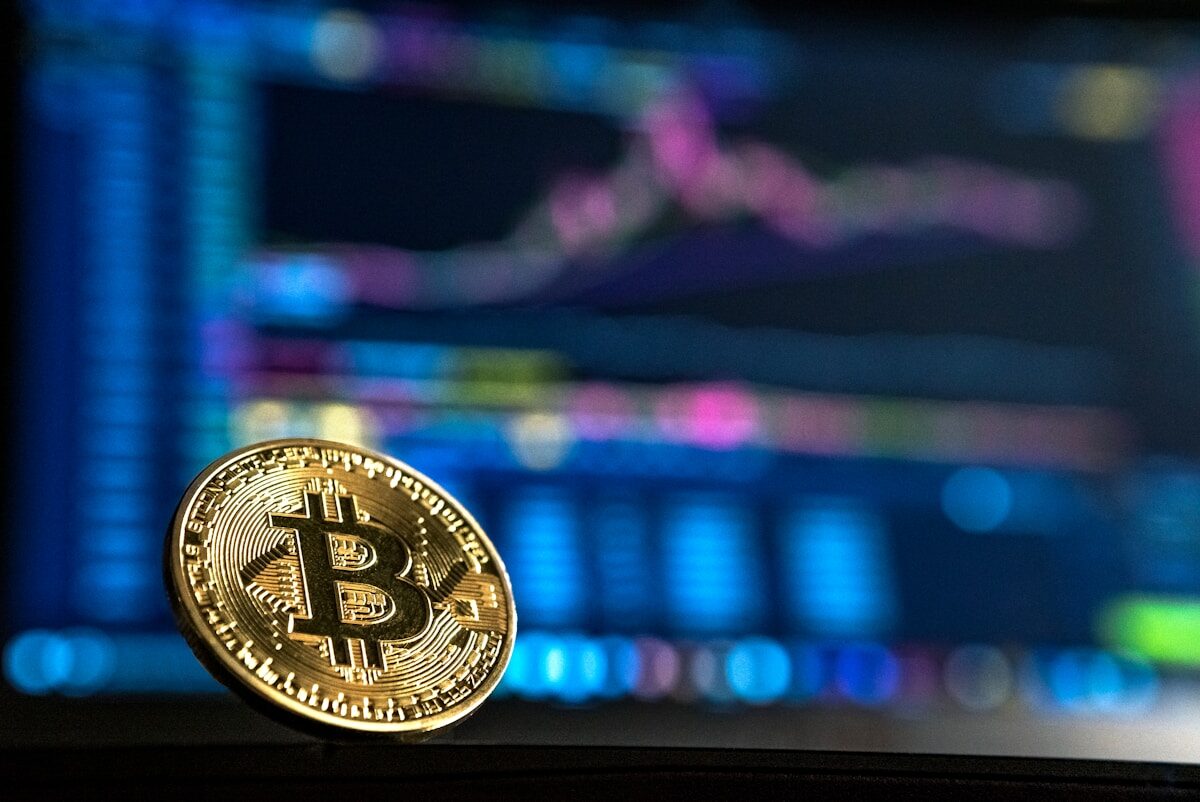
A block is just a bundle of data. In Bitcoins case that data is transaction records – Alice sent Bob 0.5 Bitcoin at this timestamp, that sort of thing. Each block contains a list of transactions, a timestamp, and critically a reference to the previous block.
That reference is called a cryptographic hash. Its a unique fingerprint of the previous blocks contents. If you changed even one character in the previous block the hash would be completely different. This is what makes blockchain tamper-resistant.
How Blocks Make A Chain
Each block points backwards to the one before it through that hash reference. So block 500 contains a hash of block 499, which has a hash of block 498, all the way back to the original genesis block. Hence… blockchain. Not exactly a creative name but it is descriptive.
Say you wanted to alter a transaction in block 100. Youd change that blocks data which would change its hash. But block 101 contains the original hash of block 100 so now block 101 is invalid. Youd need to update 101 which invalidates 102 and so on for thousands of subsequent blocks.
Computationally prohibitive that. Especially when thousands of computers around the world each have copies of the valid chain. Youd need to simultaneously compromise a majority. Good luck with that mate.
Who Gets To Add New Blocks
In Bitcoins case miners compete for it. They bundle pending transactions and race to solve a computational puzzle. First to solve broadcasts their block to the network. Other nodes verify and add it to their copy. Everyone moves on to the next puzzle.
This is proof-of-work. Energy-intensive by design. Difficulty adjusts to ensure roughly one new block every ten minutes regardless of computing power on the network.
Why This Matters At All
The breakthrough is achieving consensus without central authority. Before blockchain digital money seemed impossible because you could just copy a file. How do you stop someone spending the same digital coin twice?
Blockchain solves this by making the transaction history public and immutable. Everyone agrees on the ledger state without trusting a bank or government to maintain it. Genuinely novel that. Whether blockchain revolutionises everything or remains niche technology for currency speculation is still being sorted. But at least now you know what a block and chain actually are.
