
America’s Sleep Crisis Is Real and I’m Living It
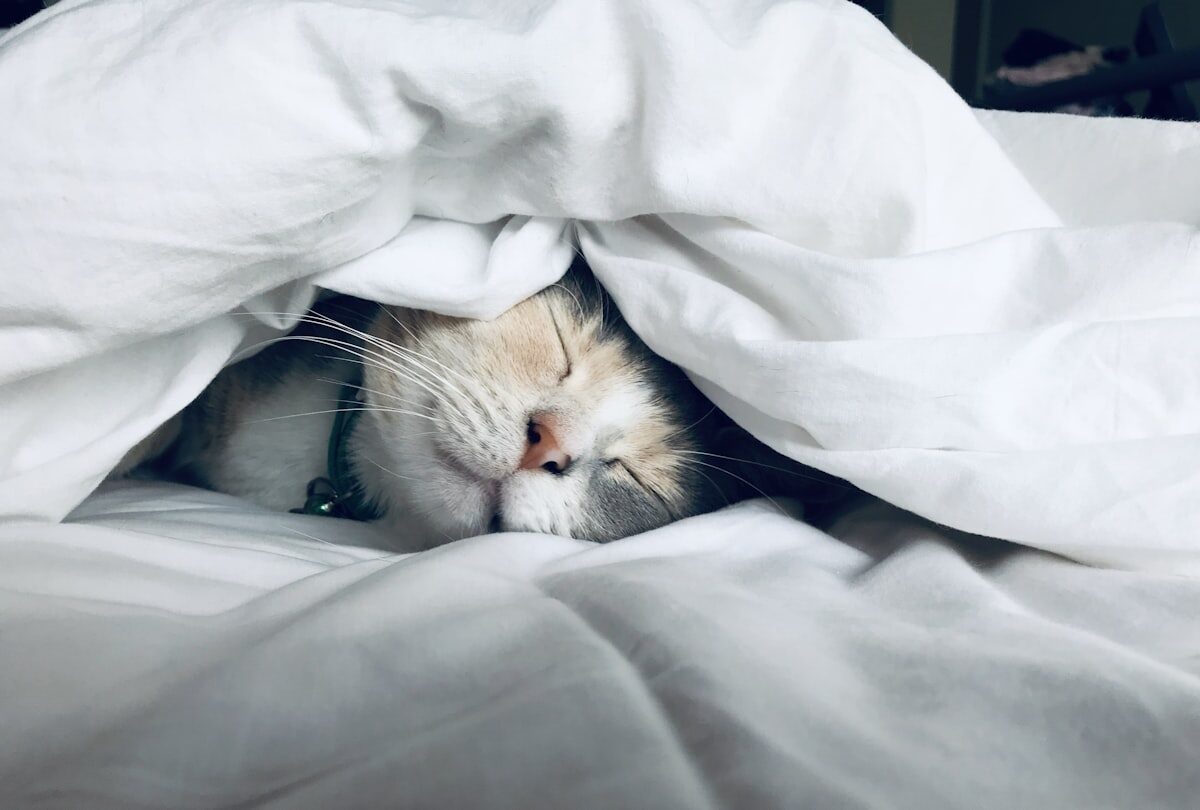
3am and you’re just… lying there. Photo: Unsplash
It’s 2:47am and I’m staring at the ceiling. Again. I’ve tried everything — the deep breathing, the counting backwards from 100, the “progressive muscle relaxation” I learned from a YouTube video. Nothing is working. My brain is just… awake. Inconveniently, insistently awake.
Tomorrow (today? it’s already today) I have three deadlines and a call with my editor. I’m going to be exhausted. I’m going to drink too much coffee. I’m going to crash around 3pm and be useless for the rest of the afternoon. This is such a familiar pattern at this point that I could write about it in my sleep — if I could actually sleep.
And apparently? I’m not alone. Not even close.
According to the National Sleep Foundation’s 2025 report, six out of every ten adults don’t get enough sleep. Nearly 40% have trouble falling asleep three or more nights per week. And almost half have trouble staying asleep.
We are, as a nation, profoundly, chronically exhausted.
It’s Not Just Annoying — It’s a Health Crisis
Sleep researchers and medical professionals are increasingly calling this what it is: a public health emergency. Not enough sleep isn’t just inconvenient — it’s linked to obesity, diabetes, heart disease, depression, and premature death. Those aren’t minor side effects.
According to Harvard Medical School’s Dr. Suzanne Bertisch, chronic insomnia is “linked to future risk of depression as well as future risk of heart disease and other significant public health outcomes.” And we’re not talking about a small subset of the population — about 12% of Americans have been diagnosed with chronic insomnia, and that doesn’t count all the people who just… struggle without ever seeing a doctor about it.
Maya’s Take:
Why Are We All So Tired?
The obvious answer is screens. We’re all on our phones until midnight and then wondering why we can’t fall asleep. Blue light messes with melatonin production. Scrolling keeps our brains activated when they should be winding down. The constant stimulation is genuinely not good for us.
But it’s not just screens. PBS reports that over 16% of Americans work nonstandard hours — night shifts, multiple jobs, gig economy schedules that change week to week. For white-collar workers, the boundary between home and office has basically dissolved, meaning work stress follows us into our bedrooms.
And then there’s just… everything else. Financial anxiety. Climate anxiety. Political anxiety. The general sense that the world is kind of falling apart. It’s hard to sleep when your brain is running through worst-case scenarios.
Did You Know?
What Actually Helps
The gold standard treatment for chronic insomnia is something called Cognitive Behavioral Therapy for Insomnia, or CBT-I. It’s not medication — it’s basically retraining your brain and your habits around sleep. Studies show it works as well as or better than sleeping pills, without the side effects or dependency issues.
The catch? There aren’t enough practitioners who do it. The therapist shortage we talked about earlier applies here too. But there are apps and online programs that can help — some developed by the VA and military for veterans, which sounds intense but the research backs them up.
“Don’t wait 10 years. Cognitive behavioral therapy for insomnia is the gold standard. It involves sleep compression therapy, which is very, very hard to do, but builds up a lot of sleep pressure.”
That’s advice from Jennifer Senior, a journalist who wrote extensively about her own insomnia journey for The Atlantic. The “sleep compression” part is genuinely hard — you basically have to make yourself even more tired initially to reset your system. But it works for a lot of people.
Maya’s Take:
The Sleep Myth We Need to Kill
Here’s something that actually made me feel better: the “you need 8 hours” thing might be overstated. According to multiple studies, 7 hours is probably the sweet spot for most adults, not 8. Some research suggests anything between 6.5 and 7.4 hours is totally fine.
Which means if you’re stressing about only getting 7 hours instead of 8, you’re potentially creating anxiety that’s making your sleep worse. (Ask me how I know this.)
The majority of Americans get between 6 and 7 hours per night. That’s not ideal for everyone, but it’s also not the disaster we sometimes make it out to be. Context matters. Quality matters. And stressing about sleep is one of the worst things you can do for your sleep.
What I’m Trying Now
After years of just accepting bad sleep, I’m actually trying to fix it. Here’s my current experiment:
Phone charges in the living room, not the bedroom. This was harder than I expected — I kept making excuses for why I needed it nearby — but it’s made a noticeable difference.
Same wake time every day, even weekends. I hate this one. I want to sleep in on Saturdays. But apparently consistency matters more than total hours.
No work stuff after 8pm. My laptop stays in my office. Emails can wait until morning.
Actually talking to my doctor about it instead of just Googling “why can’t I sleep” at 3am. Apparently professionals have useful suggestions. Who knew.
Biscuit sleeps approximately 16 hours a day and seems extremely well-rested. I’ve tried asking him for tips but he just yawns and goes back to sleep. Unhelpful.