
Amsterdam’s Vondelkerk Destroyed by New Year’s Fire — A 154-Year-Old Cultural Landmark Lost
The Vondelkerk is gone.
I need to start there, even though it feels wrong to write. One of Amsterdam’s most beloved landmarks, a 154-year-old neo-Gothic church designed by the same architect who gave the world the Rijksmuseum, burned through the night while New Year’s fireworks lit up the sky.
“The Vondelkerk is no longer salvageable,” a spokeswoman for the local authority said early Thursday. “The entire church is on fire. The whole church may collapse.”
The tower did collapse. It fell into the heart of the building sometime around 2:30 a.m., sending a “huge shower of sparks” flying eastward toward central Amsterdam. The roof is gone. The interior is destroyed. What remains are exterior walls — shell of a building that, just hours before, represented centuries of Dutch cultural heritage.
What We’ve Lost
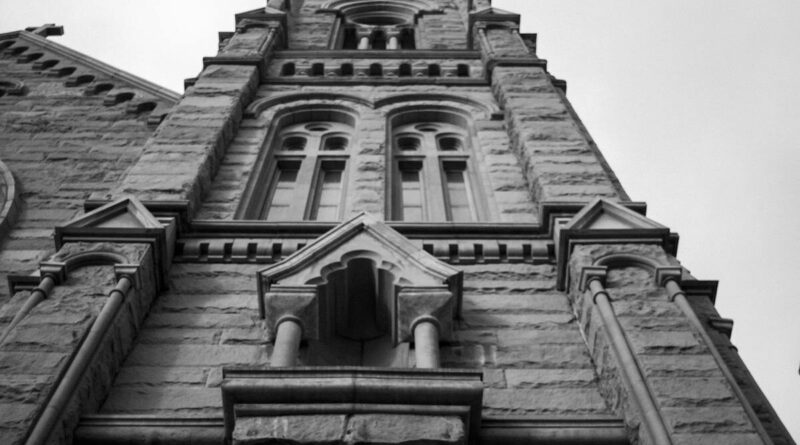
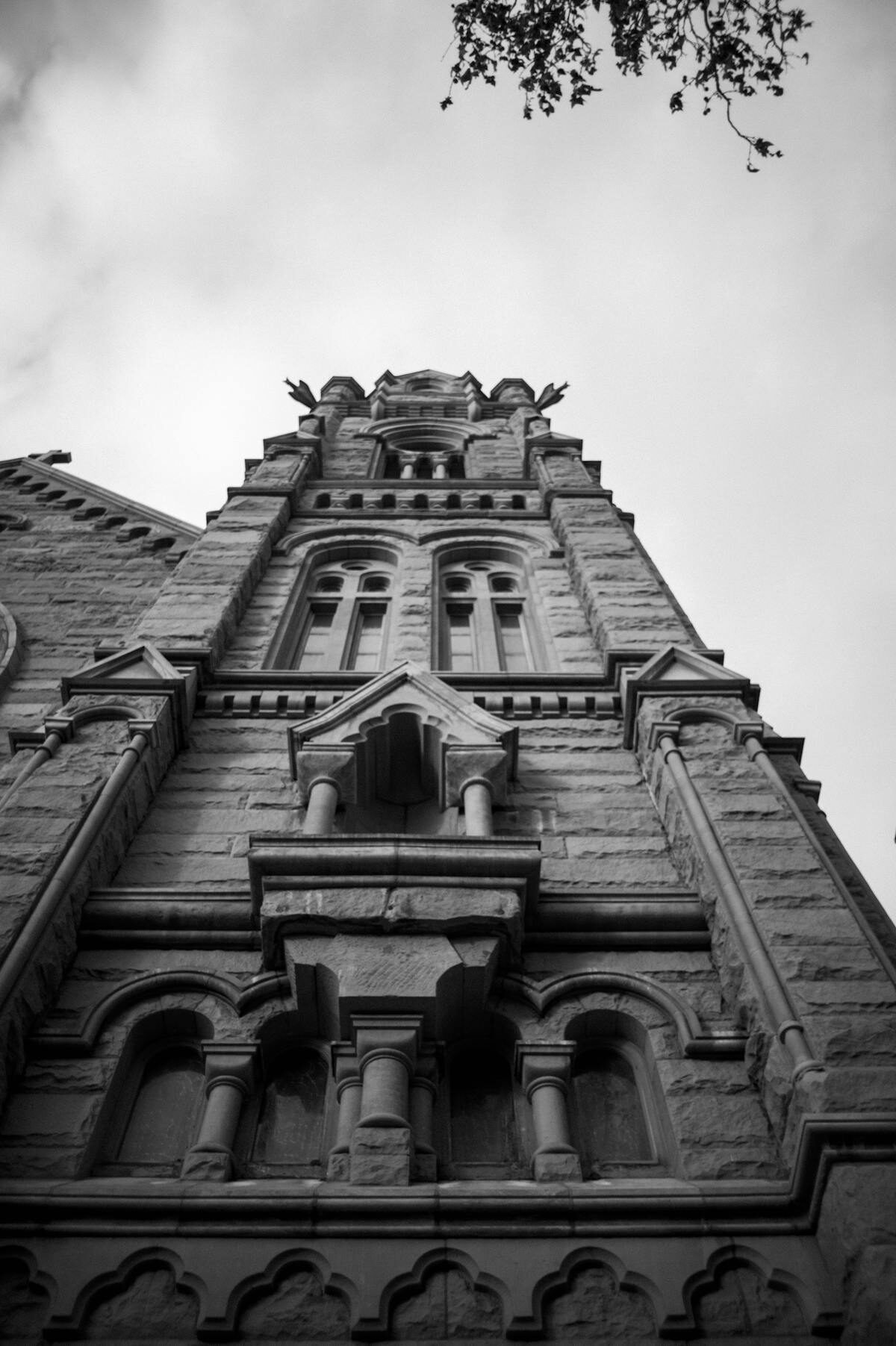
The Vondelkerk wasn’t just any church. It was designed by P.J.H. Cuypers, one of the most important architects in Dutch history. Cuypers also designed the Rijksmuseum and Amsterdam Centraal station. The man defined what Amsterdam looks like.
Built in 1872 (though some sources say 1880 — the historical records vary slightly), the church served as a Roman Catholic place of worship until 1977. In recent decades it had been repurposed into a multi-use venue — offices, events, gatherings. The kind of adaptive reuse that preservationists celebrate, giving historic buildings new life while maintaining their cultural significance.
The irony is that this isn’t the first time the Vondelkerk lost its spire. In 1904, a lightning strike caused a fire that destroyed the tower. It was rebuilt. The church survived both World Wars. It weathered decades of urban change around Vondelpark.
And then, on New Year’s Eve 2026, it burned.
What Happened
The fire was first reported around 12:45 a.m. on January 1st, shortly after midnight. What started it remains under investigation, but the blaze escalated rapidly. By 1:24 a.m., authorities had activated GRIP 2 — a coordinated regional incident procedure — signaling that this was no ordinary fire.
Amsterdam Mayor Femke Halsema called it “a very intense and terrible fire in this monumental church.”
Dozens of neighbors were evacuated as smoke and falling debris posed risks. The fire cut electricity to roughly 90 nearby homes. Burning embers containing “old wood” — the church’s centuries-old timbers — were blowing toward the city center.
“A terribly bad and dramatic start to the new year,” a spokesman said. That might be the understatement of 2026.
A Night of Fire Across the Netherlands
The Vondelkerk wasn’t the only fire. Dutch New Year’s Eve celebrations turned chaotic in multiple locations.
In Hellevoetsluis, between 40 and 45 residents were evacuated from their apartments after a fire broke out in a parking garage beneath their building. In Hillegom, a large fire erupted in a mattress storage warehouse, prompting authorities to issue a nationwide NL-Alert warning people to stay indoors and close windows. In Bedum, Groningen, asbestos was released into the air after a gymnasium was engulfed in flames.
Two people died in fireworks accidents across the country — a 17-year-old boy and a 38-year-old man. Three others were seriously injured. The eye hospital in Rotterdam treated 14 patients for eye injuries, including ten minors.
The head of the Dutch Police Union, Nine Kooiman, reported an “unprecedented amount of violence against police and emergency services” over the holiday. She said she was personally hit three times by fireworks and other explosives while working a shift in Amsterdam.
Shortly after midnight, authorities released a rare country-wide alert on mobile phones warning people not to call overwhelmed emergency services unless lives were at risk.
This was New Year’s Eve 2025/2026 in the Netherlands. Next year, there’s expected to be a ban on unofficial fireworks. It’s not hard to see why.
The Cultural Loss
I cover entertainment and media, not architecture. But cultural landmarks matter to what I write about because they represent continuity — the physical manifestation of shared memory and collective identity.
The Vondelkerk was part of Amsterdam’s skyline. It overlooked Vondelpark, one of the city’s most beloved green spaces. Tourists photographed it. Locals passed it daily. Events were held inside. Lives were shaped around it.
When Notre-Dame burned in 2019, the world watched in horror. That fire led to a massive international restoration effort. The Vondelkerk isn’t Notre-Dame — it’s smaller, less globally famous. But to Amsterdam, to the Netherlands, this loss is devastating in its own right.
Marielle Bakker, 55, who lives a few streets away, told Het Parool: “I hope that, just like with Notre Dame, many business owners want to help out so it can be renovated.”
Whether renovation is even possible remains unclear. Officials said the side walls remain standing and there’s no further risk of collapse. But the interior, the roof, the historic tower that Cuypers designed — gone.
What Happens Now
The area around the church has been fenced off. Bicycles parked inside the fence “cannot be collected for now.” The municipality plans to clean the streets with a specialized vehicle because soot has settled on gardens, windows, cars, and outdoor furniture throughout the neighborhood.
An investigation into the cause has begun. Given the church’s age and the highly flammable nature of its materials — old wood, historical construction — officials suggest the fire may have been sparked by electrical issues or heating systems. But nothing is confirmed.
What is confirmed is that Amsterdam woke up on January 1st, 2026 to a skyline that had changed. A piece of history that had survived 154 years couldn’t survive one night.
The Netherlands has lost something irreplaceable. Whether through rebuilding or memorial, the city will decide how to honor what was lost.
But the Vondelkerk as it was? That’s gone forever.
Jasper Kline covers entertainment, media, and cultural news. Contact: jkline@reportdoor.com