
At Least 40 Dead in Swiss Alps Bar Fire as New Year’s Celebration Turns to Nightmare
Look, I’ve covered a lot of tragedies in thirty-plus years doing this job. Beirut. Bali. The towers. You develop what people call a thick skin, though that’s not really what it is — it’s more like scar tissue over the part of your brain that processes grief. But every now and then something cuts through anyway.
Crans-Montana cut through.
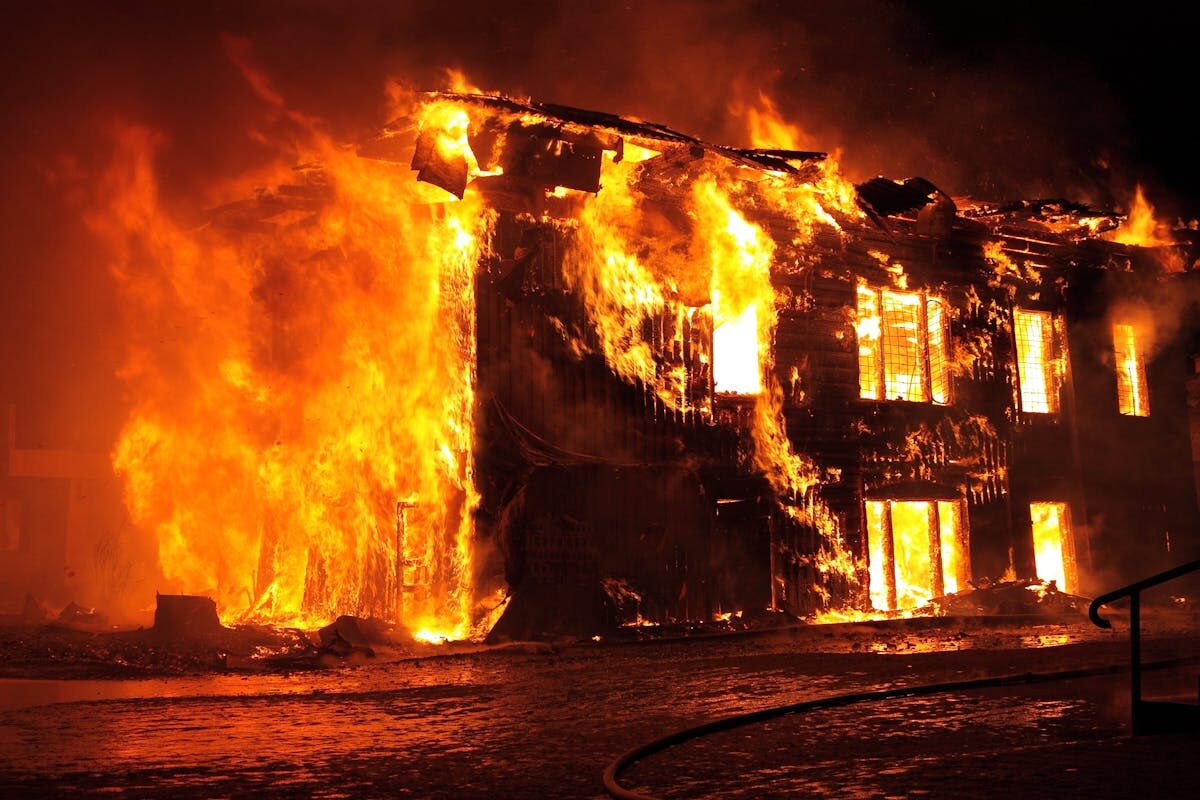
At approximately 1:30 a.m. local time on New Year’s Day 2026, a fire broke out at Le Constellation, a popular bar in this luxury Swiss Alps ski resort. The blaze killed approximately 40 people and left 115 injured, many of them critically. Swiss President Guy Parmelin called it “one of the worst tragedies our country has experienced.”
I want to be careful here because there are families waiting for news, parents who don’t know yet if their kids made it out. But the early witness accounts paint a picture that’ll stay with me.
The bar, which had been around for at least 40 years according to BBC News, was packed with New Year’s revelers. Capacity was reportedly around 300 people. Most of them were young — teenagers and early twenties, the kind of crowd you’d expect at a ski resort celebrating the new year. Multiple witnesses told French broadcaster BFMTV that they saw a barmaid being carried on a barman’s shoulders, holding a lit candle in a bottle. That candle allegedly caught the wooden ceiling.
What happened next… I mean, look. Basement nightclub. Wooden ceiling. One narrow exit. You can do the math yourself.
“We were trapped, a lot of people were trapped. We couldn’t see because of the smoke,” one survivor told AFP. He said he was alone, didn’t know how he was going to get out, but managed to break a window and escape. “Half of my clothes were gone, it was crazy.”
A 17-year-old British girl named Scarlett, who survived, told Sky News something that I haven’t been able to shake: “We all saw really horrible things that no one should ever have to see.”
She’s seventeen. Seventeen years old. And now she’s got those images for the rest of her life.
The Response
Here’s what I can tell you about the response, because it matters: the Swiss didn’t mess around. Valais canton declared a state of emergency. They deployed 150 personnel, 10 helicopters, and 42 ambulances to a town that most Americans couldn’t find on a map. The whole area got cordoned off. They imposed a no-fly zone over Crans-Montana for the helicopter operations.
Beatrice Pilloud, the Valais canton attorney general, confirmed at a press conference that terrorism has been ruled out. “At no moment is there a question of any kind of attack,” she said. An investigation is underway, but it’s too early to determine the official cause. Investigators from Zurich have been brought in.
What we know is that a flashover occurred — that’s when everything in a room gets hot enough to ignite simultaneously — followed by what authorities are describing as “one or multiple explosions.” Whether that was gas, accelerants, or just the physics of superheated air meeting cold alpine atmosphere, nobody’s saying yet.
The victims include Swiss residents and tourists from France, Italy, and other countries. French authorities confirmed eight of their citizens were among the missing. King Charles III sent condolences. The Federal Council ordered flags at half-mast across Switzerland for five days.
The Hospital Situation
This is the part that healthcare workers will understand. The intensive care units in Valais reached capacity almost immediately. They started airlifting patients to burn centers in Lausanne and Zürich. Italy opened a burns unit at Ospedale Niguarda Ca’ Granda in Milan to handle overflow. A reception center and specialized hotline were established for affected families.
When your regional hospital system gets overwhelmed within hours of an incident, that tells you something about the severity of what first responders found.
There will be investigations. There will be questions about capacity limits, fire exits, building codes. There always are after something like this. The bar reportedly had poor reviews online citing security deficiencies, according to Swiss media, though I want to be careful about assigning blame before officials have completed their work.
What I do know is this: a bunch of kids went out to celebrate the new year and never came home. Their parents woke up January 1st to phone calls no parent should ever receive. And in the Alps, in one of the safest, wealthiest countries on earth, families are gathering at hospitals waiting to learn if their children survived.
The investigation will tell us what went wrong. The recriminations will come. The lawsuits, the reforms, the promises that it won’t happen again.
But right now, at this moment, there are just families processing grief in a ski town that was supposed to be hosting the Audi FIS Alpine Ski World Cup later this month. Whether that event proceeds as scheduled, nobody’s saying. It probably shouldn’t.
Switzerland isn’t supposed to have tragedies like this. That’s part of what makes it cut through. But tragedy doesn’t read maps or check bank accounts. It goes where it wants.
My thoughts are with the families tonight. All of them. And I really do mean that.
Ray Caldwell has been covering international news for 32 years. He can be reached at rcaldwell@reportdoor.com.